
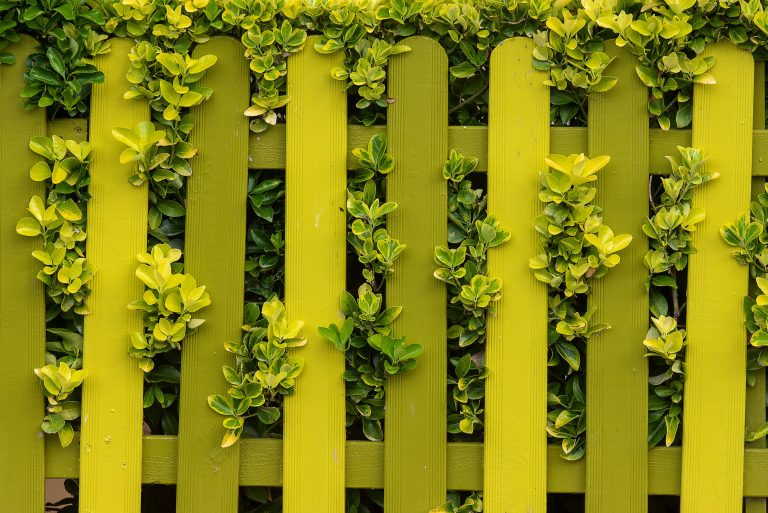
A garden boundary does two jobs at once. It keeps neighbours from looking straight into your seating area, and it sits there for years, weathering rain, sun and the occasional stray football. Choosing a boundary that is both kind to the environment and easy to live with takes a bit more thought than picking the cheapest panel at the builders’ merchant. The good news is that there are plenty of options, and many of them improve with age rather than falling apart.
This guide looks at ten sustainable approaches, from reclaimed timber to living hedges, and explains where each one works best. The aim is to help you balance privacy, upkeep and environmental impact, rather than to push one material above the rest.
Table of Contents
- Reclaimed wood fencing
- Bamboo screens
- Living hedges
- Woven willow and hazel hurdles
- Fedges: climbers trained through a fence
- Recycled composite boards
- Recycled metal and laser-cut screens
- Picket fences planted with perennials
- Pleached and narrow trees
- Slatted and permeable screens
- Comparing the options at a glance
- Starting with one boundary
1. Reclaimed Wood Fencing
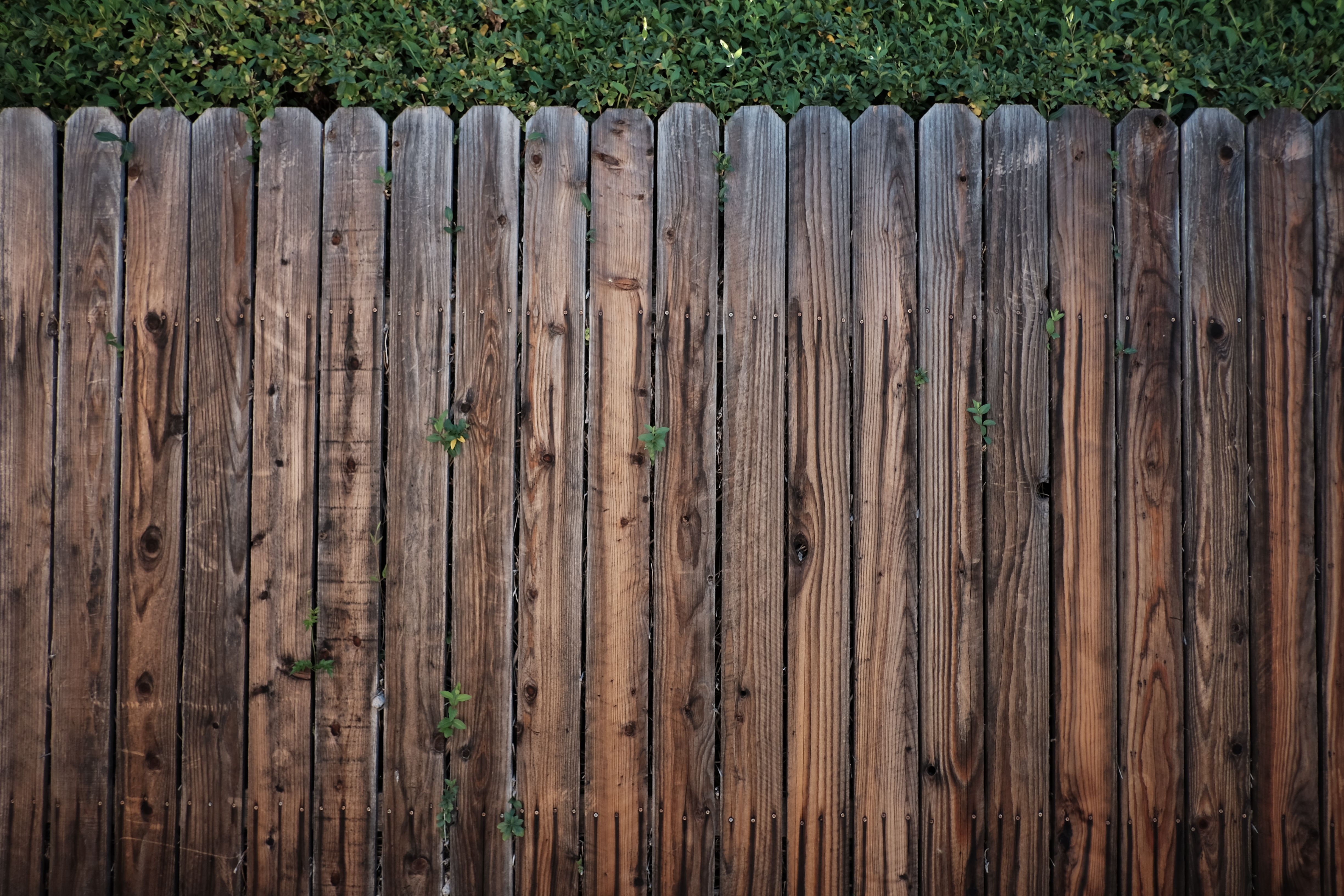
Old timber from barns, pallets, demolition salvage and shipping crates can be turned into a solid, characterful fence. Reusing wood keeps it out of landfill and avoids demand for newly felled lumber. Each board also carries its own weathering and history, which gives reclaimed fencing a look that new wood takes years to develop.
Before you start, check each piece carefully:
- Remove nails, screws and staples, which can damage tools and hands.
- Look for rot, especially where boards touched the ground.
- Ask what the wood was previously treated with, and avoid anything that may have been coated in old preservatives you would not want near vegetable beds.
- Sand or plane boards where a smooth finish matters, such as on a seating-area fence.
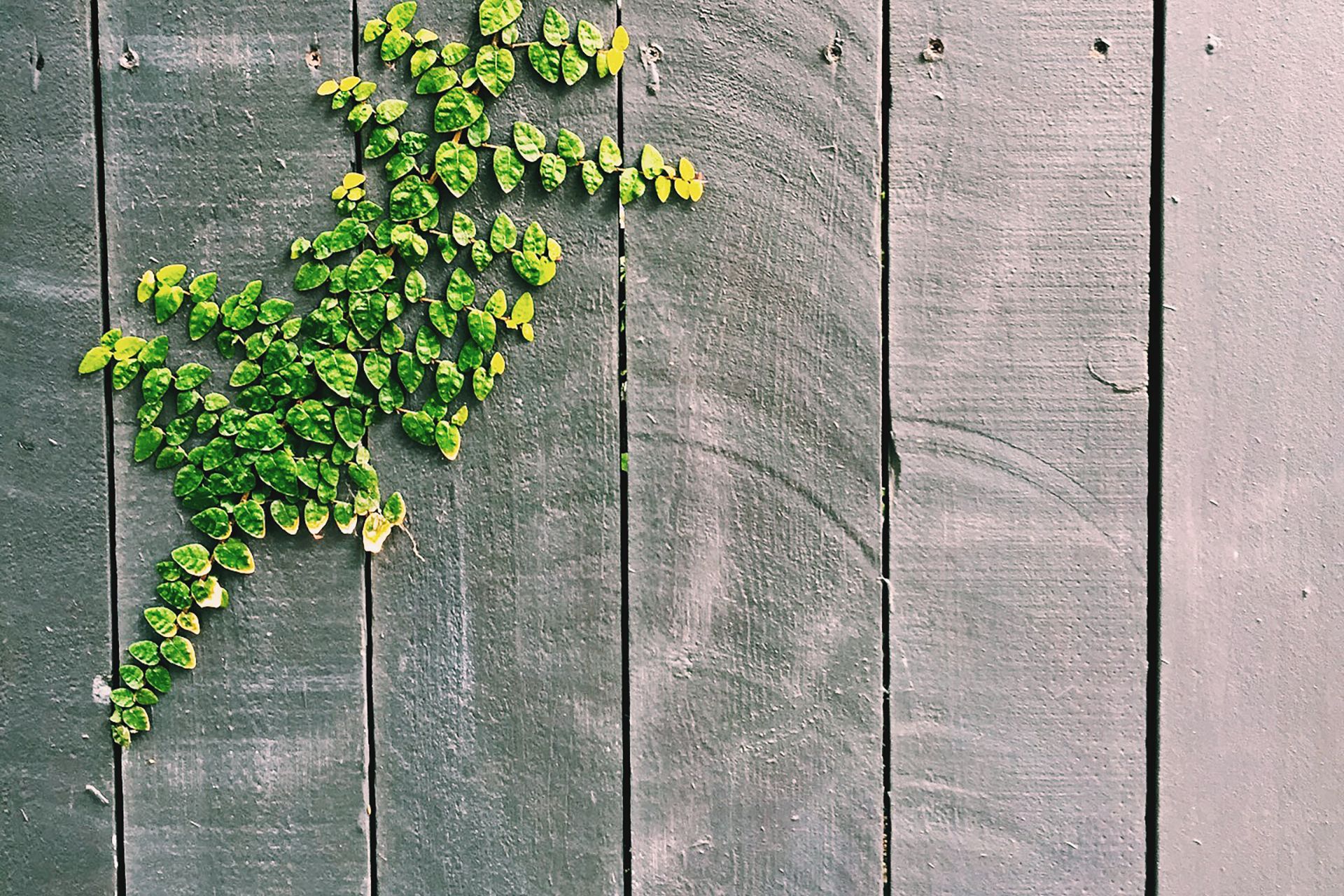
Vines and climbers grow well over weathered timber, so a reclaimed fence often ends up more private within a season or two.
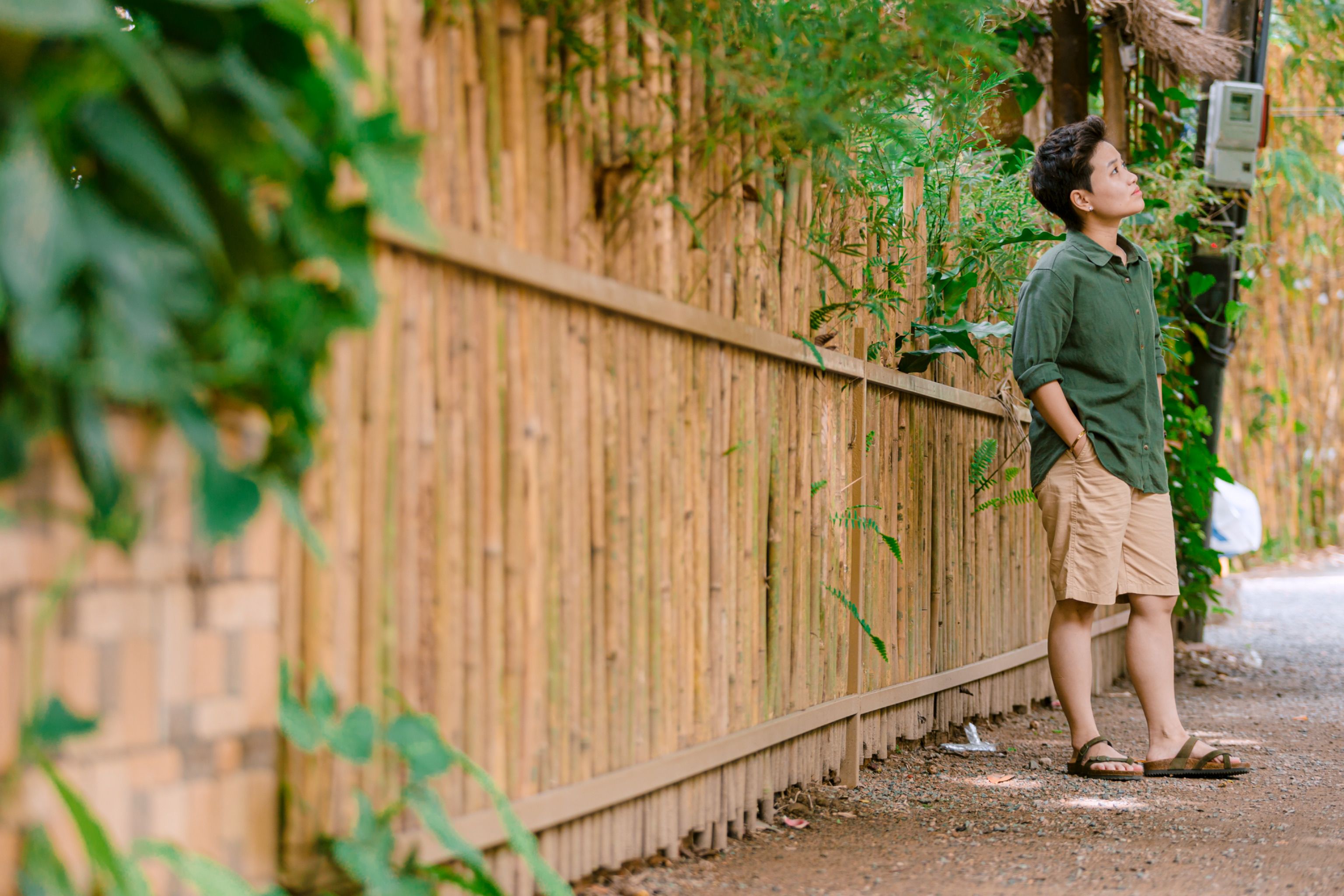
2. Bamboo Screens
Bamboo is a grass rather than a tree, and it grows quickly enough to be considered a rapidly renewable material. Many species can be harvested after a few years without killing the plant, which is why it appears so often on lists of sustainable building materials. It is also light, strong and available as ready-made panels, rolls and poles.
There are a few trade-offs to keep in mind:
- Bamboo used at ground level needs a natural preservative or rot-resistant treatment to last.
- It suits privacy screens and decorative panels better than tall structural fences that must resist strong wind loads.
- Source it from responsibly managed plantations, and ask the supplier which certification applies.
3. Living Hedges
A hedge is the most natural boundary available. It provides shelter for birds, insects and small mammals, it can be planted in a single season, and it gets denser over time rather than weaker. Native species such as hawthorn, hazel, holly and field maple are usually the most wildlife-friendly choices and tend to suit local soils and weather.
Hedges are not zero-maintenance, though. A few points worth weighing:
- Evergreen hedges give privacy all year but usually need trimming at least once a year, and some need it twice.
- Deciduous hedges are easier to prune and filter winter wind well, but they offer less screening when the leaves are down.
- Fast-growing conifers can outpace a small garden quickly, so match the species to the height you actually need.
The RHS advice on plants for screening is a useful starting point for choosing species by height, soil and aspect.
4. Woven Willow and Hazel Hurdles
Woven willow and hazel are traditional, low-impact materials. Both are coppiced crops, meaning they are cut back regularly and regrow, and they are often sourced locally. Hurdles made from them are flexible enough to follow an irregular boundary, and they create a soft, handcrafted texture that fits naturally into cottage and wildlife gardens.
Keep their limits in mind. Woven panels are usually better for screening low boundaries or dividing areas inside the garden than for blocking a neighbour’s upstairs window. They also weather over time and may need replacing sooner than a treated timber fence in damp climates.
5. Fedges: Climbers Trained Through a Fence
A fedge is a cross between a fence and a hedge. Evergreen climbers such as ivy or star jasmine are trained through an existing fence until they form a dense, solid screen. It is a sensible way to upgrade a plain panel or chain-link boundary without replacing it.
Practical tips for a fedge:
- Plant on the neighbour-friendly side where possible, and check which side of the boundary you need to access for maintenance.
- Use a structure such as wires or trellis to guide growth, so the plant does not simply climb to the top and leave the base bare.
- Prune regularly to keep the climber from lifting fence panels or blocking gutters.
6. Recycled Composite Boards
Composite fencing blends recycled plastic with wood fibre or powder. It does not need staining, it does not rot or splinter, and it avoids the ongoing cycle of treatment that timber demands. The environmental case depends heavily on the product, so look at the recycled content and the manufacturer’s stated sustainability information rather than assuming all composites are equal.
Composite boards are a reasonable choice when:
- You want a fence that will look the same for many years without repainting.
- The fence will face damp or shaded conditions where timber rots quickly.
- You are willing to accept a manufactured product in return for lower upkeep.
For background on why recycled and long-lasting materials matter in landscaping, the University of Delaware Cooperative Extension fact sheet on sustainable landscape materials sets out the main principles clearly.
7. Recycled Metal and Laser-Cut Screens
Steel and aluminium fences made from recycled scrap are strong, long-lasting and fully recyclable at the end of their life. Open or laser-cut designs filter wind and let light through while still giving a sense of enclosure. They suit contemporary gardens and small urban plots well.
Points to consider before choosing metal:
- Manufacturing still uses energy, so ask about the producer’s recycled content.
- Solid metal panels can heat up in direct sun, so keep them away from delicate plantings.
- Powder-coated finishes last longer than paint, which means fewer repaints over the fence’s life.
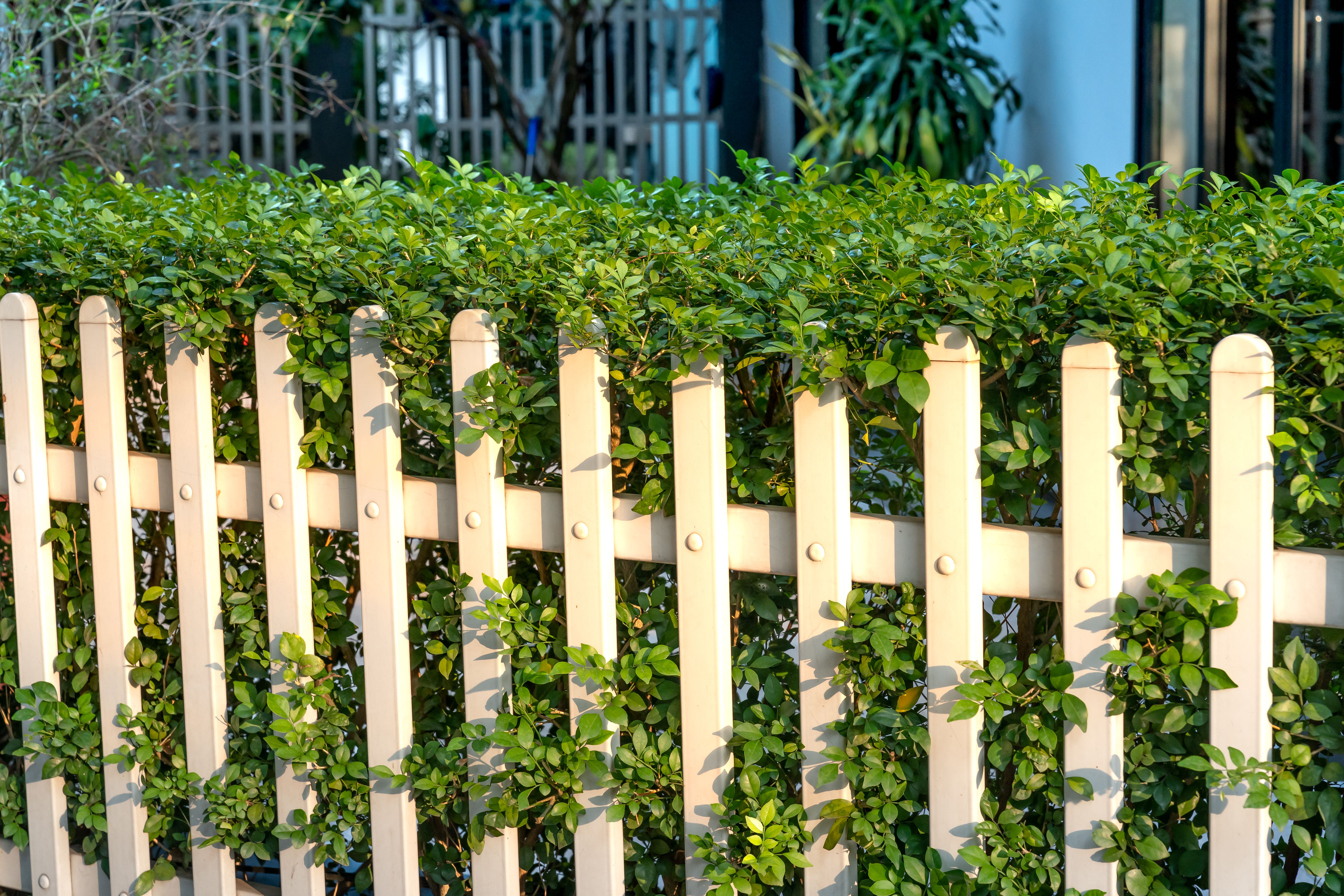
8. Picket Fences Planted with Perennials
A traditional picket fence is not a privacy solution on its own, but it can be a very pleasant one when it is combined with planting. Sustainably sourced timber, low-VOC paint and a border of perennials or climbers make it a boundary that feels generous rather than walled off. Pollinator-friendly plants such as lavender, catmint and salvia along the base keep the garden lively and reduce the need for trimming a solid hedge.
This works best where the goal is to define a boundary and soften it, rather than to block a view completely.
9. Pleached and Narrow Trees
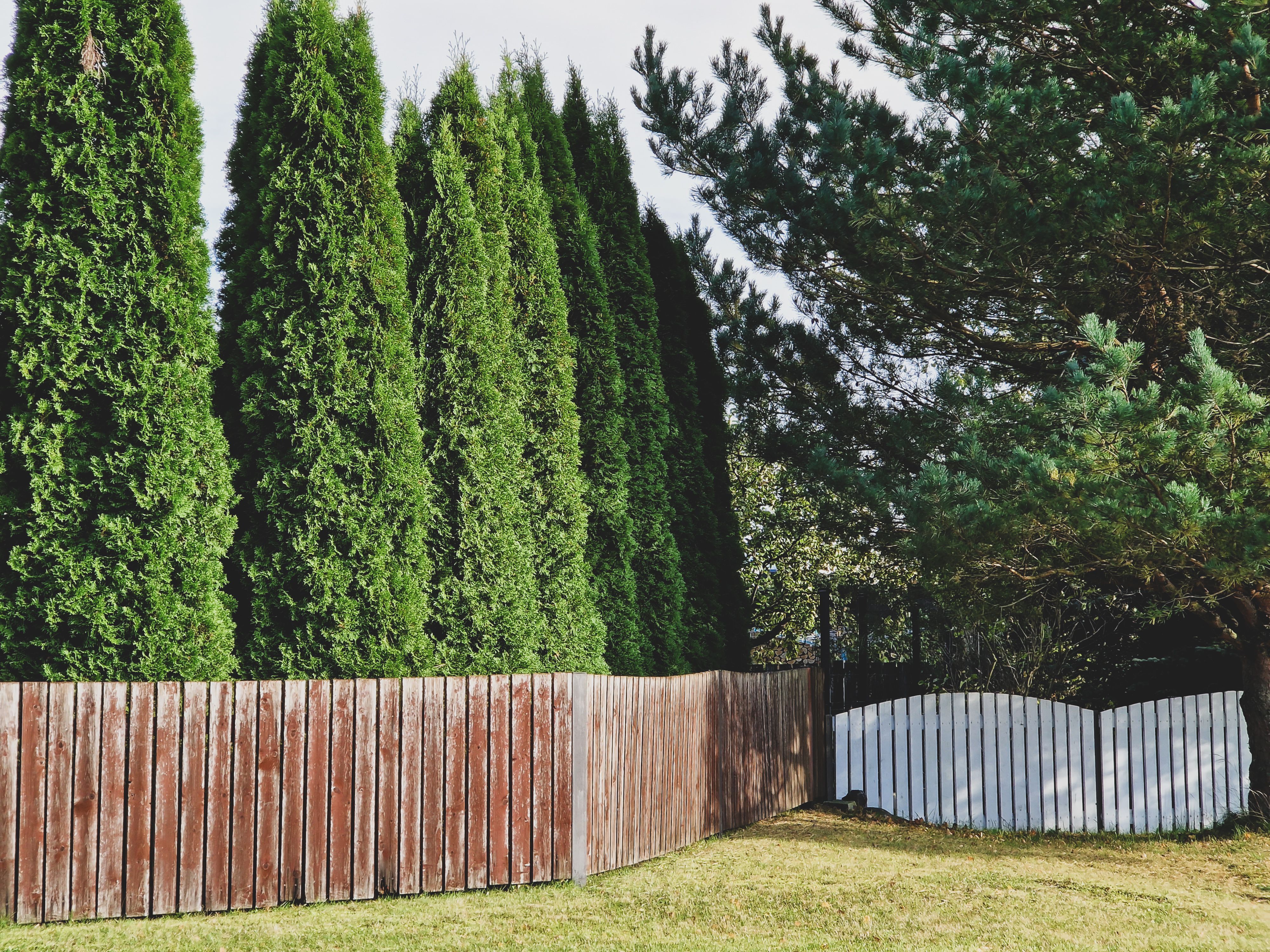
Pleached trees are trained on a clear stem and then have their branches woven together to form a raised screen. They provide privacy at height while leaving the ground level open, which is ideal in a small garden. Narrow upright trees such as Italian cypress or ‘Skyrocket’ juniper can also block a single view without taking up much space.
Pleached trees need annual pruning to keep their shape, so they are not low-maintenance in the strict sense. Hornbeam is a common choice because it keeps its leaves through winter, which adds privacy when it is most needed.
10. Slatted and Permeable Screens
Not every screen has to be solid. Slatted panels, open lattice and bamboo blinds reduce the force of wind, which lowers the risk of damage in exposed gardens, and they let light and air pass through. A permeable screen can feel more private than a solid wall, because it obscures detail without creating a heavy, enclosed feeling.
Angle matters too. A screen that appears solid from the house may reveal views from the side, so it is worth checking what is visible from different points in the garden before you commit.
Comparing the Options at a Glance
The table below summarises how the main options differ. Ratings are general guides and will vary with climate, species, installation and the quality of the product.
Starting with One Boundary
Most gardens do not need every side replaced at once. A practical approach is to begin with the boundary that causes the most trouble, usually the one overlooked from a window or seating area, and choose a material that matches both the privacy you need and the time you are willing to spend on upkeep. A reclaimed timber fence with a native hedge planted in front of it, for example, can be installed in stages and will look better each year as the planting fills in.
If a fence is the main structure, it is worth looking at what is available before you decide. Browsing fencing options alongside the planting ideas above can help you compare heights, finishes and installation requirements against the look you want.