

Inbound shipping is one of those operational costs that often hides in plain sight. Many companies focus intensely on production costs, marketing budgets, or labor expenses, but overlook the fact that logistics, particularly inbound transportation , can quietly consume a significant portion of overall operating costs.
For businesses that rely on multiple suppliers, warehouses, or manufacturing facilities, inbound freight becomes even more complex. Raw materials, components, packaging materials, and finished goods may be arriving from different regions, sometimes even different continents.
This reactive approach leads to several common problems. Trucks travel partially empty. Routes become inefficient. Shipments arrive earlier or later than needed, causing warehouse congestion or production delays.
Why Inbound Shipping Costs Become So Expensive
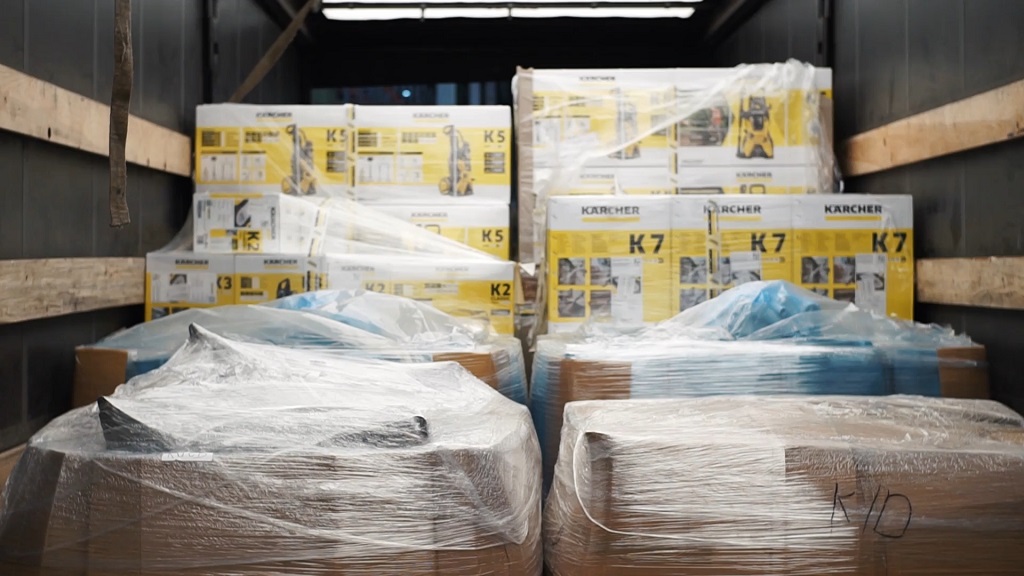
Before discussing solutions, it’s important to understand why inbound transportation costs escalate in the first place.
Most inbound freight inefficiencies come from fragmentation. Suppliers operate independently, shipments are planned individually, and transportation decisions are made without considering the broader network.
For example, imagine a manufacturer sourcing components from five suppliers within the same region. Each supplier sends small shipments throughout the week. Instead of combining those shipments into one or two full truckloads, the company receives multiple less-than-truckload (LTL) deliveries. While LTL shipping is useful for small quantities, it is significantly more expensive per unit compared to full truckload (FTL) transport.
Similarly, poor coordination often leads to unnecessary mileage. Trucks may travel inefficient routes or make multiple trips to the same location within a short period. Without proper planning, transportation networks become cluttered with redundant routes.
Timing issues also contribute heavily to costs. If shipments arrive too early, warehouses may struggle with storage capacity. If they arrive too late, production lines may stall. In both situations, companies often resort to expensive expedited shipping to fix scheduling mistakes.
The combination of fragmented shipments, inefficient routes, and poorly timed deliveries creates a logistics system that costs far more than it should.
Fortunately, these issues can be addressed through structured logistics planning.
Load Consolidation: Moving More Goods With Fewer Trucks
What Load Consolidation Means
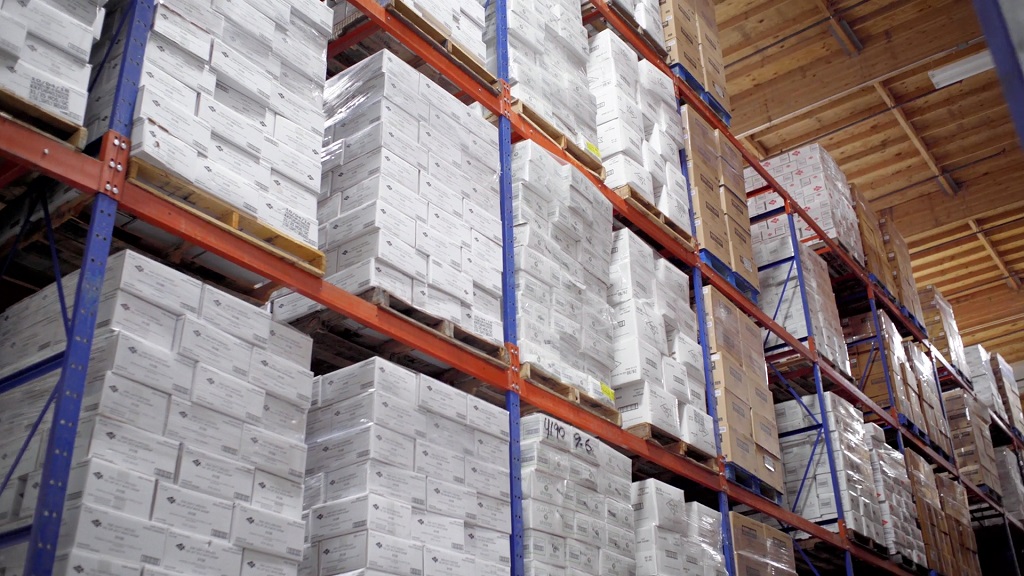
Load consolidation is the process of combining multiple smaller shipments into one larger shipment. Instead of sending several partial loads, companies aggregate freight until it fills a truck or container more efficiently.
This strategy significantly reduces cost per unit shipped because transportation expenses are distributed across a larger volume of goods.
In logistics, the difference between LTL and FTL pricing can be dramatic. Less-than-truckload shipments often involve multiple handling points, shared space with other shippers, and additional logistics coordination. Full truckload shipments, on the other hand, travel directly from origin to destination without unnecessary stops.
By consolidating loads, companies reduce:
- handling costs
- transportation cost per pallet
- risk of damage
- transit complexity
Common Types of Load Consolidation
Several consolidation methods are commonly used in inbound logistics.
Supplier Consolidation
Multiple suppliers ship their products to a single consolidation center where shipments are combined before traveling to the final destination.
This method works particularly well when suppliers are geographically close.
Warehouse Consolidation
If a company operates multiple warehouses, inbound shipments may be consolidated at a regional hub before distribution.
Time-Based Consolidation
Instead of shipping daily, shipments are grouped into weekly or bi-weekly dispatches to maximize truck capacity.
Benefits of Load Consolidation
| Benefit | Explanation |
| Lower freight cost | Larger shipments reduce per-unit transportation cost |
| Reduced handling | Fewer transfers decrease damage risk |
| Better carrier rates | Full truckloads typically receive lower rates |
| Simplified tracking | Fewer shipments are easier to monitor |
Companies that implement consolidation strategies often reduce inbound freight costs by 10–25%, depending on shipment volume and supplier locations.
However, consolidation requires coordination. Suppliers must align with shipment schedules, and companies must forecast demand accurately to avoid delays.
Intelligent Routing: Optimizing the Transportation Network

Even when shipments are consolidated, inefficient routes can still inflate transportation costs.
Routing refers to the planning of transportation paths between suppliers, distribution centers, and final destinations.
Without optimized routing, trucks may travel unnecessary distances, repeat routes, or fail to combine nearby pickups into efficient trips.
The Importance of Route Planning
Transportation costs increase with every additional mile traveled. Fuel, driver wages, tolls, and vehicle wear all accumulate quickly.
Route optimization helps companies minimize:
- total mileage
- fuel consumption
- travel time
- empty return trips
Advanced routing strategies also consider traffic conditions, delivery windows, and warehouse capacity.
Multi-Stop Pickup Routes
One of the most powerful routing strategies is multi-stop pickup routing.
Instead of sending separate trucks to each supplier, a single truck collects goods from multiple suppliers along a planned route.
For example:
This method significantly reduces transportation redundancy.
Backhaul Opportunities
Another key routing optimization involves backhaul planning.
A backhaul occurs when a truck returning from a delivery picks up additional freight on the return trip rather than traveling empty.
Empty return trips are extremely inefficient because transportation costs are incurred without generating revenue.
Companies that actively coordinate backhaul shipments can dramatically improve fleet utilization.
Routing Technology
Modern logistics operations often rely on Transportation Management Systems (TMS) to optimize routing automatically.
These systems analyze factors such as:
- shipment weight and volume
- supplier locations
- delivery deadlines
- fuel costs
- carrier availability
The software then generates optimal transportation routes that minimize cost and travel time.
Even mid-sized companies can benefit from routing optimization tools, many of which integrate with existing warehouse and supply chain systems.
Scheduling: The Hidden Driver of Logistics Efficiency
Scheduling is often overlooked in logistics planning, yet it has a major impact on inbound shipping costs.
Poor scheduling leads to warehouse bottlenecks, missed deliveries, and emergency freight shipments.
When shipments arrive unpredictably, warehouses struggle to allocate labor and dock space efficiently. Trucks may wait hours to unload, which increases carrier costs and leads to detention fees.
Effective scheduling ensures that shipments arrive at the right time, in the right sequence, and in manageable quantities.
Dock Appointment Systems
Many companies implement dock appointment scheduling systems that allow carriers to reserve unloading times.
This reduces congestion and ensures that warehouse staff are prepared for incoming shipments.
Benefits include:
- reduced truck wait times
- lower detention charges
- improved warehouse productivity
Coordinated Supplier Shipping Calendars
Another scheduling strategy involves coordinating shipping calendars with suppliers.
Instead of allowing suppliers to ship at random times, companies define specific shipping windows.
For example:
| Supplier | Shipping Day |
| Supplier A | Monday |
| Supplier B | Tuesday |
| Supplier C | Wednesday |
This predictable structure helps logistics teams plan consolidation and routing more effectively.
Aligning Shipments With Production Demand
Scheduling must also align with production needs.
If materials arrive too early, inventory storage costs increase. If they arrive too late, production lines may stop.
Advanced forecasting systems help companies synchronize inbound shipments with manufacturing schedules.
When Third-Party Prep Centers Help Reduce Inbound Shipping Costs
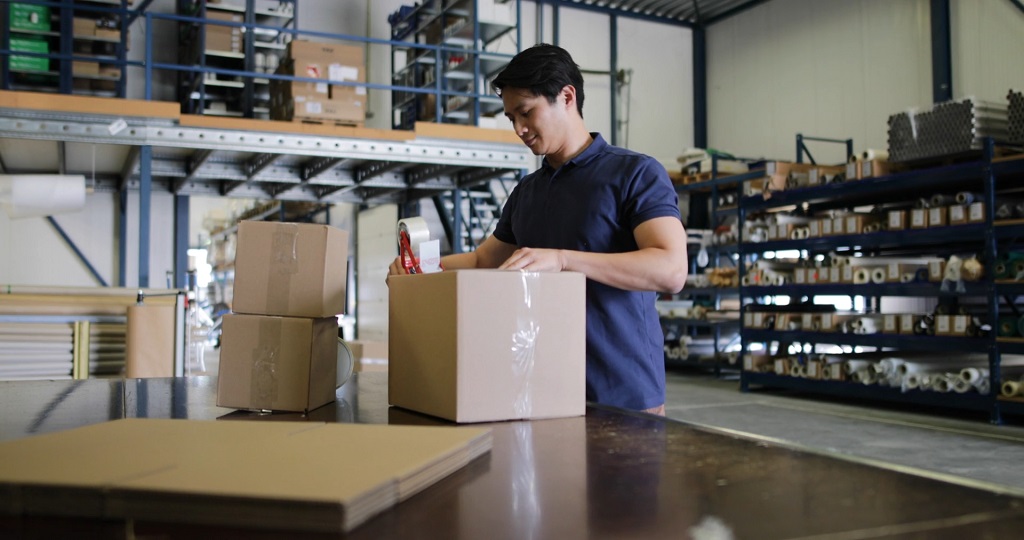
For many growing ecommerce businesses, especially those selling through large fulfillment networks, managing inbound logistics internally can quickly become complicated. Coordinating suppliers, consolidating shipments, and routing freight efficiently requires both logistics expertise and infrastructure. This is where specialized prep centers can play a crucial role in reducing inbound shipping costs while simplifying operations.
This approach allows businesses to combine inventory from several manufacturers into fewer, more efficient shipments. Rather than paying for multiple smaller deliveries, sellers can ship larger consolidated loads, which significantly reduces per-unit transportation costs. In addition, prep centers often operate in strategic logistics locations, allowing shipments to be routed more efficiently across major distribution networks.
A specialized provider such as the Dollan FBA Prep Center helps ecommerce sellers streamline this process by receiving inventory from suppliers, preparing it according to marketplace requirements, and consolidating shipments before forwarding them to fulfillment centers. This consolidation step reduces fragmented shipments and ensures that inventory moves through the supply chain in a more organized and cost-effective manner.
Combining Consolidation, Routing, and Scheduling
The greatest savings occur when all three strategies work together.
- Load consolidation reduces shipment fragmentation.
- Routing optimization minimizes transportation distance.
- Scheduling ensures efficient delivery timing.
Together, these strategies create a coordinated logistics system.
For example:
- Suppliers ship goods to a consolidation center.
- Shipments are grouped into full truckloads.
- Trucks follow optimized pickup routes.
- Deliveries are scheduled according to warehouse capacity.
This integrated approach reduces costs while maintaining consistent supply chain performance.
Practical Steps for Implementing These Strategies
Companies interested in reducing inbound shipping costs can begin with several practical steps.
1. Analyze Current Freight Data
The first step is understanding how shipments currently move through the network.
Key metrics include:
- shipment frequency
- average load utilization
- carrier costs
- supplier shipping patterns
2. Identify Consolidation Opportunities
Look for suppliers shipping small quantities frequently.
These shipments are prime candidates for consolidation.
3. Evaluate Transportation Routes
Mapping supplier locations often reveals inefficient routing patterns that can be optimized.
4. Introduce Supplier Coordination
Work closely with suppliers to align shipping schedules and consolidation opportunities.
5. Invest in Logistics Technology
Transportation Management Systems can automate routing, load planning, and scheduling decisions.
Common Challenges in Implementing Cost Reduction Strategies
While these strategies are effective, implementation can present challenges.
Suppliers may resist changing shipment schedules, especially if they have established logistics routines. Coordination between multiple partners requires communication and trust.
Forecasting inaccuracies can also disrupt consolidation plans. If demand fluctuates unexpectedly, shipments may not fill trucks as planned.
Additionally, implementing logistics technology requires investment and training.
Despite these challenges, the long-term cost savings often justify the effort.
The Long-Term Impact on Supply Chain Efficiency
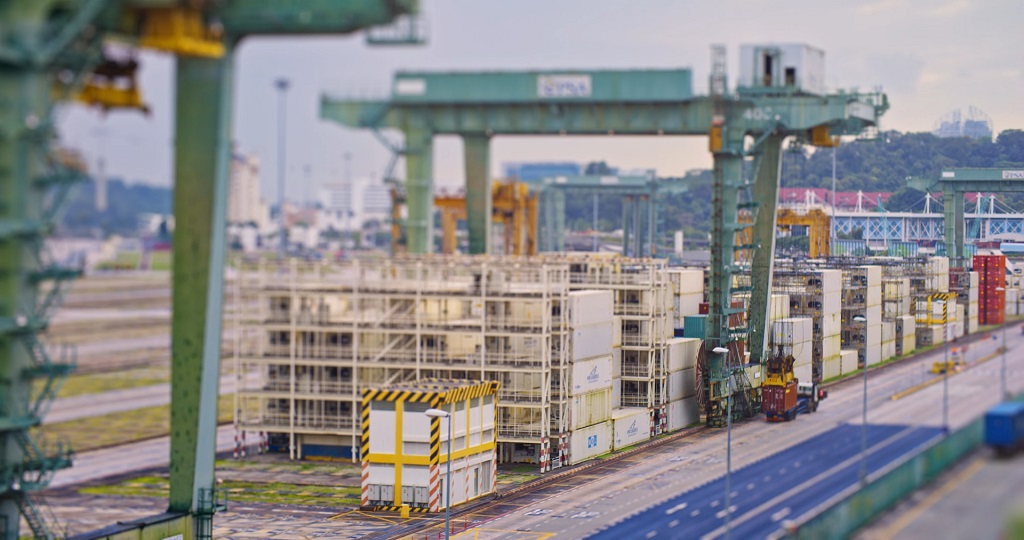
Reducing inbound shipping costs does more than save money.
Efficient logistics networks also improve reliability, sustainability, and operational visibility.
Fewer trucks on the road reduce fuel consumption and carbon emissions. More predictable delivery schedules improve warehouse planning and inventory management.
Companies that invest in inbound logistics optimization often discover that the benefits extend far beyond transportation costs.
Supply chains become more resilient, operations become easier to manage, and businesses gain greater control over one of their most critical operational systems.
Conclusion
Inbound shipping costs can quietly drain company resources if left unmanaged. Fragmented shipments, inefficient routes, and poorly timed deliveries create a logistics network that is unnecessarily expensive.
However, businesses have powerful tools available to control these costs.
By implementing load consolidation, companies maximize truck utilization and reduce per-unit transportation costs. Through optimized routing, they minimize unnecessary mileage and fuel consumption. With structured scheduling, they ensure that shipments arrive exactly when needed, avoiding congestion and emergency freight expenses.
Individually, each of these strategies improves logistics efficiency. Combined, they create a coordinated inbound transportation system that moves goods faster, more predictably, and at significantly lower cost.